Airway and sleep treatments covered by most insurance plans
The face you see in the mirror today was largely shaped before you turned twelve. For children, the jaw, palate, and surrounding structures are actively growing – and how they grow determines not only how a smile looks, but how well a person breathes, sleeps, and functions for the rest of their life. When development goes off course, the consequences can range from crooked teeth and crowded arches to restricted airways and chronic sleep problems that follow a child into adulthood.
At Airway Dental & More, Dr. Neil K. Stevenson, DMD brings an airway-focused perspective to facial development care for patients in Jacksonville, FL and throughout Northeast Florida. As a general dentist who is deeply committed to treating the whole person rather than just the teeth, Dr. Stevenson evaluates how jaw growth, tongue posture, and breathing habits all work together – and intervenes early, when that intervention makes the greatest difference. Our approach to airway and sleep health begins with understanding how the face and airway develop from childhood forward.
Facial development dentistry focuses on guiding the proper growth of a child’s jaw, palate, and facial structures during the years when those structures are still forming. The goal is not simply cosmetic. A well-developed jaw creates adequate space for the tongue, supports nasal breathing, and maintains an open airway – all of which directly affect sleep quality, cognitive function, and long-term health.
The process begins at birth. When an infant nurses properly, the tongue exerts gentle pressure against the palate that helps draw the jaw forward and build a broad, well-proportioned face. When that early development is disrupted – by tongue tie, improper feeding, or habitual mouth breathing – the jaw can grow downward and backward rather than forward, producing a narrower arch, a higher palate, and a smaller airway. A 2021 systematic review and meta-analysis published in BMC Oral Health confirmed that children who mouth breathe demonstrate measurable backward and downward rotation of both the jaw and maxilla compared to nasal breathers, along with significantly reduced airway dimensions.
Many parents notice something is off long before they connect it to jaw or airway development. The signs can look like behavioral problems, allergies, or simply restless sleep. Knowing what to watch for can help Jacksonville families seek evaluation at the right time.
Common signs of poor facial development include the following:
These signs warrant a thorough assessment rather than a wait-and-see approach. Most facial growth is complete by age 12 in females and age 14 in males, which means the window for meaningful guidance is real and time-limited.
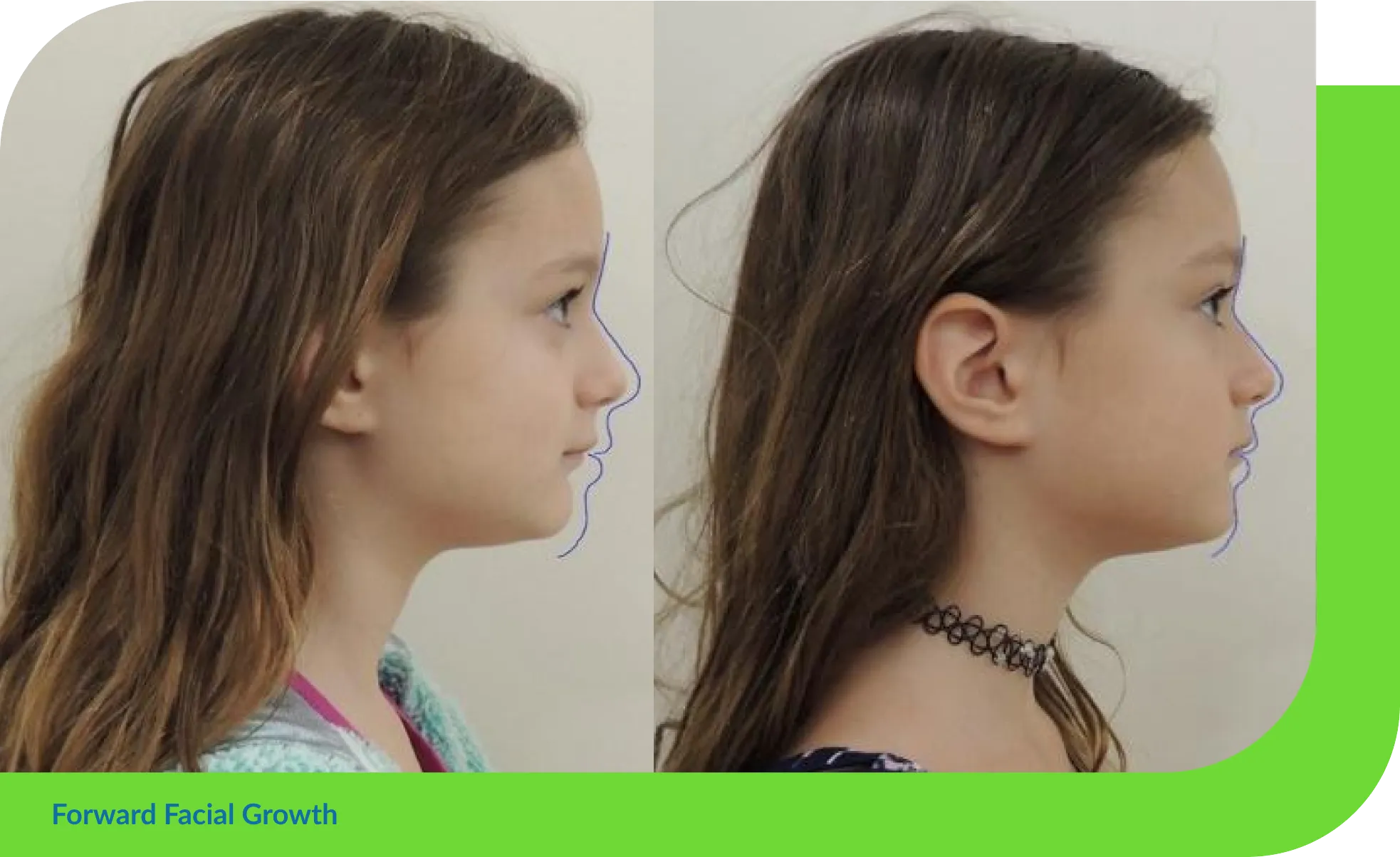
Two factors play an outsized role in determining how a child’s face develops: how they breathe and where their tongue rests. When a child breathes consistently through their nose, the face tends to grow forward and upward, creating balanced proportions and a broad smile. When a child breathes through their mouth, the opposite pattern tends to emerge – a longer, narrower face with compromised airways.
Tongue posture works in concert with breathing. When the tongue rests correctly against the roof of the mouth, it provides gentle, ongoing pressure that helps the upper jaw grow broadly and maintain open nasal passages. When tongue function is restricted – often due to a tongue tie – the palate can arch too high and narrow over time, reducing space for both teeth and airflow. Addressing these root causes early is central to the facial development philosophy at Airway Dental & More.
Comprehensive airway treatments and family dental care with flexible financing to improve your health and smile.

Treatment at Airway Dental & More is individualized to each patient’s growth stage, anatomy, and specific needs. Dr. Stevenson draws on his training in airway-focused dentistry and his deep commitment to treating the root causes of dental and health problems rather than managing their effects. Every treatment plan begins with a comprehensive evaluation that considers the whole face – not just the teeth.
Early orthodontic appliances, including arch development devices, can help grow the palate and create more space for both teeth and the tongue. By encouraging the jaw to develop more broadly during the years when growth is still active, these appliances support better nasal airflow and reduce the likelihood of airway problems later in life. Most early intervention begins between ages 6 and 10, when the jaw is most responsive to guidance.
Myofunctional therapy addresses the muscle habits and tongue posture patterns that drive facial development. Through targeted exercises, children learn to breathe through their nose, rest their tongue properly against the palate, and swallow correctly – habits that directly support forward facial growth. Myofunctional therapy is often one of the most powerful tools in a facial development plan because it works with the body’s natural growth process rather than against it.
Orthotropics is an approach to facial development that emphasizes natural, forward growth of the jaws and face. Rather than focusing solely on straightening teeth after growth is complete, orthotropics works during childhood to guide the face to grow forward and upward, creating broader smiles, better airway dimensions, and more harmonious facial proportions.
Our practice uses Cone Beam Computed Tomography scans, pharyngometry, and rhinometry to assess airway dimensions and identify exactly where restrictions exist. These tools allow Dr. Stevenson to build treatment plans grounded in objective measurements rather than estimates.

Early detection of jaw and facial development issues is crucial for preventing long-term complications. Parents should be vigilant for signs such as:
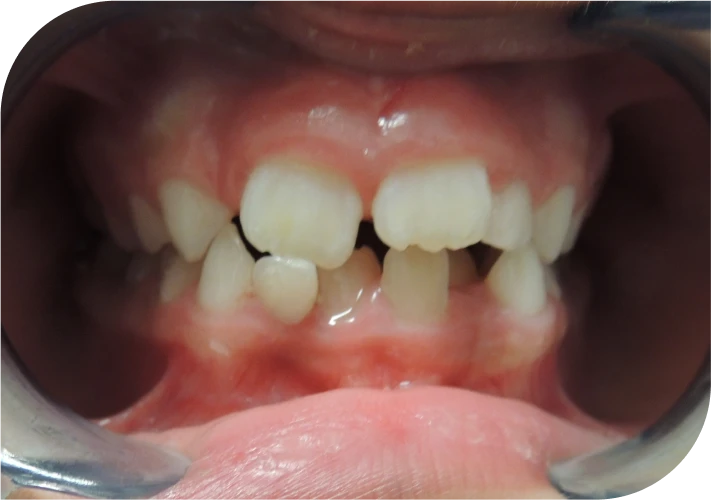
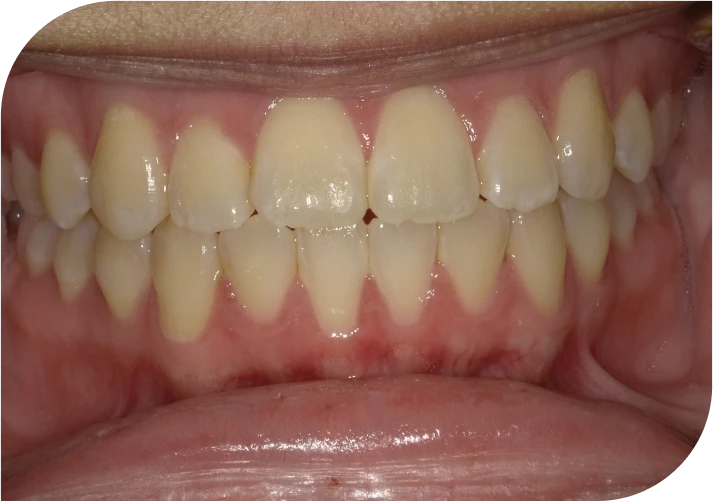
If any of these symptoms are observed, seeking prompt evaluation by our team is recommended for timely intervention.
A significant portion of facial growth occurs before age 6, and most of it is complete by early adolescence. This makes the childhood years the most impactful window for guiding development in a healthier direction. Early intervention not only reduces the need for more extensive orthodontic treatment later – it can prevent the airway restrictions that lead to sleep-disordered breathing, behavioral problems, and chronic health issues in adulthood.
Children who receive early facial development guidance tend to develop broader, more balanced faces with better airway function. The investment made during these formative years pays dividends that last a lifetime, from cleaner nasal breathing and deeper sleep to a smile that reflects truly healthy oral development.
Addressing jaw and facial development issues early not only helps prevent potential complications but also promotes optimal oral health and overall well-being in the long term. By taking proactive steps during childhood, parents can significantly impact their child’s future dental health and quality of life as well as boost their self-confidence. Airway Dental & More’s experienced Jacksonville dentists are here to help you. Call now.

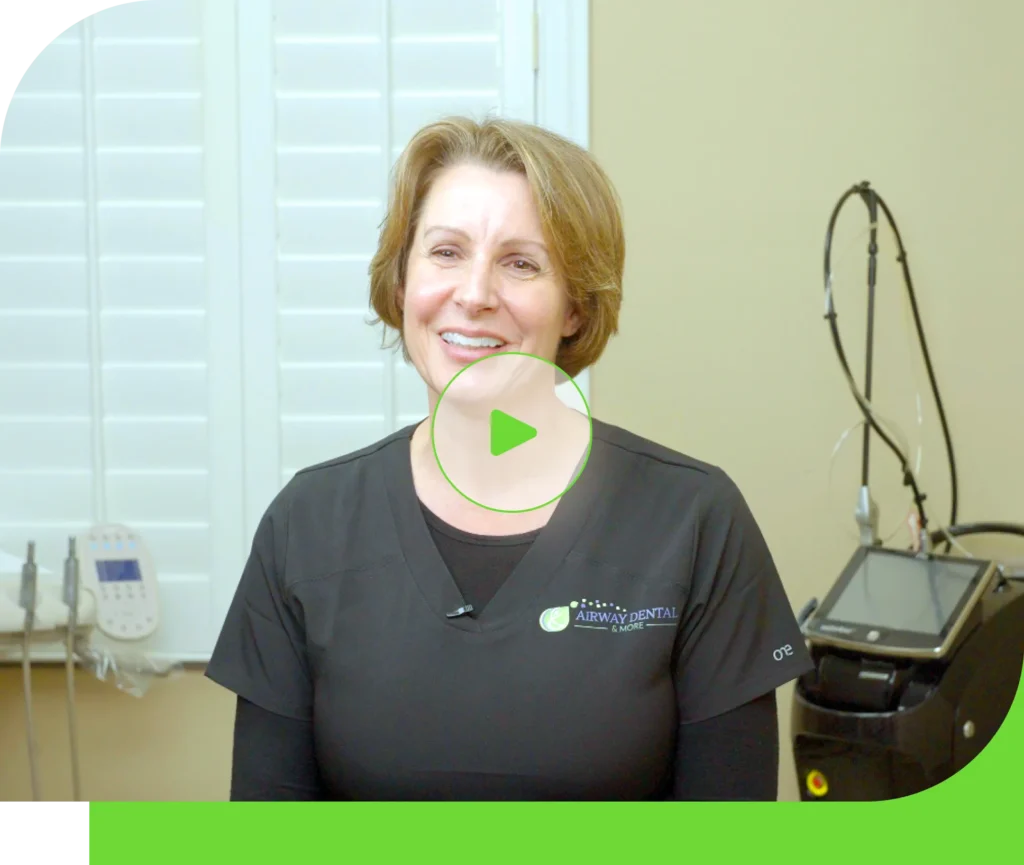
This video shows how proper facial development through orthotropic treatment can significantly improve a child’s airway, jaw alignment, and overall facial aesthetics. It also makes a case for early intervention by starting treatment as young as age three.
A facial development dentist evaluates and guides the growth of the jaw, palate, and facial structures during childhood with the goal of achieving both healthy function and proper form. At Airway Dental & More in Jacksonville, Dr. Neil K. Stevenson takes a whole-face, airway-centered approach to facial development. Rather than waiting until growth is complete and then correcting problems with extractions or extensive orthodontics, we assess how the jaw is growing and intervene early when the bones are still responsive to guidance. This includes evaluating breathing habits, tongue posture, and airway dimensions alongside traditional dental metrics. The result is treatment that works with your child’s natural development rather than correcting the outcomes of development that went unchecked.
We recommend evaluating children as early as age 3 to 5, and sometimes earlier if parents notice concerns like persistent mouth breathing, difficulty nursing, or tongue tie symptoms in infancy. The most critical window for facial development intervention is between ages 6 and 12, when the jaw and palate are still actively growing and most responsive to guidance. Most facial growth is complete by age 12 in females and age 14 in males, which means earlier evaluation leads to more treatment options and better outcomes. That said, adults can also benefit from evaluation – jaw development issues do not disappear with age, and they often contribute to ongoing problems with breathing, sleep, and TMJ function. If you are in Jacksonville and have concerns about your child’s facial growth at any age, we encourage you to schedule an evaluation sooner rather than later.
Chronic mouth breathing has a measurable impact on how a child’s face grows. When a child breathes through their mouth rather than their nose, the jaw tends to grow downward and backward rather than forward, producing a longer, narrower facial structure, a higher arched palate, reduced arch width, and a smaller airway. Research has confirmed that mouth-breathing children show significantly altered jaw and maxillary angles compared to nasal breathers, along with reduced airway dimensions. At Airway Dental & More, we identify the root cause of mouth breathing – whether it is enlarged tonsils and adenoids, a tongue tie, a narrow palate, or habitual patterns – and address it through age-appropriate interventions. Treating mouth breathing early is one of the most impactful things a Jacksonville family can do for their child’s long-term health and facial development.
We offer a range of treatments tailored to each patient’s age, growth stage, and specific anatomy. Early orthodontic appliances, including arch development devices, help grow the palate and create space for teeth and the tongue during the active growth years. Myofunctional therapy addresses the muscle habits and tongue posture patterns that drive facial development by teaching children to breathe nasally, rest the tongue correctly, and swallow properly. For patients with tongue ties that are restricting tongue function and palate development, we offer evaluation and appropriate referral or treatment. Orthotropics principles guide our approach for patients who can benefit from forward jaw growth guidance. All treatment plans are built around advanced diagnostic imaging – including CBCT scans, pharyngometry, and rhinometry – to ensure each plan reflects your child’s actual anatomy rather than a generalized approach.
Yes. While the most significant results are achieved during childhood when the jaw is still growing, adults can still benefit from facial development-focused care. Many adults carry the effects of underdeveloped jaws and palates into adulthood in the form of sleep-disordered breathing, TMJ issues, chronic nasal congestion, and airway restrictions. At Airway Dental & More in Jacksonville, Dr. Stevenson evaluates adult patients for these concerns and develops treatment plans that address what can be improved at any age. Options for adults may include myofunctional therapy, oral appliances, airway assessment, and referrals to appropriate specialists when needed. If you suspect that long-standing jaw development issues are affecting your breathing, sleep, or quality of life, a comprehensive evaluation is the right starting point.
Achieve the confident, healthy smile you deserve with personalized dental care at Airway Dental & More. Our Jacksonville team combines advanced technology with a compassionate approach to make every visit comfortable and stress-free. Whether you’re restoring your smile, improving function, or enhancing aesthetics, we’re here to help you reach your oral health goals with precision and care.
Ready to take the next step toward better oral health? Contact Airway Dental & More today at (904) 268-4466 or complete our contact form to schedule your consultation and discover how our team can make your smile shine.