
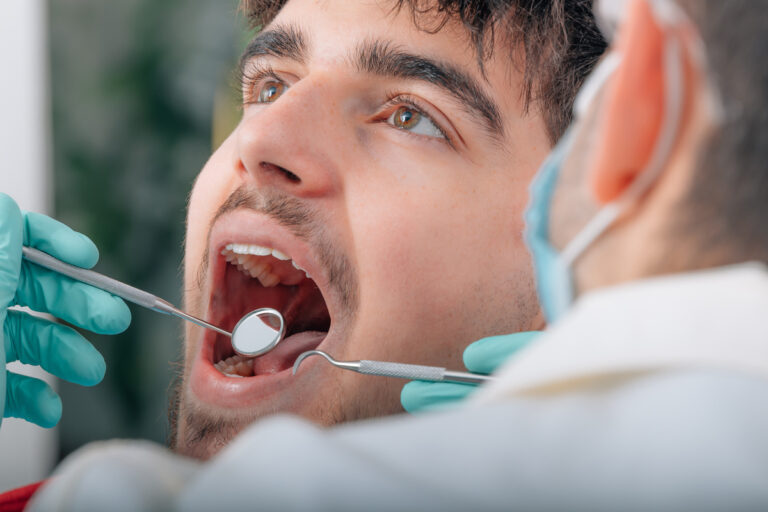
Your dentist delivers the news: another cavity, maybe two. You leave feeling frustrated because you brush twice daily, floss regularly, and avoid sugary snacks. However, the real culprit might surprise you. If you breathe through your mouth instead of your nose, you’re creating the perfect environment for cavity-causing bacteria to flourish, regardless of how well you care for your teeth.
At Airway Dental & More in Jacksonville, FL, we help patients understand the connection between breathing patterns and oral health. Dr. Neil Stevenson approaches recurring cavities differently by examining what’s happening with your breathing. His airway-focused practice looks beyond surface symptoms to identify why your mouth stays dry and vulnerable to decay.
The Link Between Mouth Breathing and Cavities
Saliva serves as your mouth’s first line of defense against tooth decay. Dry mouth results from an inadequate flow of saliva, which serves as the mouth’s primary defense against tooth decay. When you breathe through your mouth, air constantly flows across your teeth and gums, evaporating saliva faster than your body produces it.
Without enough saliva, your mouth becomes vulnerable. Bacteria feed on sugars and food particles, producing acids that attack tooth enamel. Plaque constantly forms on teeth, and when you eat or drink anything with sugar, the bacteria in plaque produce acids that attack your enamel and form cavities over time. Mouth breathing accelerates this cycle by removing the protective saliva coating your teeth need.
How to Recognize Mouth Breathing
Many adults don’t realize they breathe through their mouths. Common signs include:
- Waking up with a dry mouth
- Chronic bad breath despite good oral hygiene
- Chapped lips throughout the day
- Waking up thirsty or with a sore throat
- Chronic fatigue
- Frequent snoring
- Daytime drowsiness
Your body receives oxygen less efficiently through mouth breathing, leaving you tired even after a full night’s sleep.
Why Adults Develop Mouth Breathing Habits
Several factors force adults to breathe through their mouths. A deviated septum, enlarged turbinates, or chronic nasal congestion can block the nasal passages. Sleep-disordered breathing conditions create a pattern where restricted airways lead to mouth breathing, which then compounds oral health problems.
Some adults carry childhood mouth breathing habits into adulthood. Others develop the pattern gradually due to weight changes, aging, or untreated sleep conditions. Regardless of the cause, addressing the underlying airway issue is essential to protecting your dental health.
Beyond Cavities
Mouth breathing affects more than just cavity risk. The persistently dry environment in your mouth also increases your risk of gum disease. Without saliva to wash away bacteria, they accumulate along the gum line, causing inflammation and potential bone loss over time. Research shows chronic periodontitis affects 47.2% of adults over 30 in the United States, and mouth breathing significantly increases this risk.
Mouth breathers typically develop a distinct pattern of decay. Cavities often appear on front teeth and near the gum line, where drying air directly contacts tooth surfaces. You may also experience increased tooth sensitivity as enamel weakens from continuous acid exposure without saliva’s protective benefits.
Treatment Through Airway-Focused Dentistry
We take a different approach to recurring cavities. Rather than simply filling each new cavity, we investigate why you’re breathing through your mouth. Screening tools such as pharyngometry and rhinometry help us measure your airway dimensions and identify specific restrictions that affect your breathing.
Treatment options depend on your individual anatomy. Oral appliances may reposition your jaw to open your airway, making nasal breathing more natural. Myofunctional therapy includes exercises to retrain the muscles supporting proper tongue position and breathing patterns. For structural blockages, we coordinate with specialists to provide treatments targeting the specific obstruction. Our goal remains restoring your ability to breathe through your nose, allowing your mouth to maintain its natural protective environment. Dr. Stevenson can also help to develop their jaws to create adequate room for the tongue to posture up into the palate. This may be needed in conjunction with releasing any lip or tongue ties that could also be affecting your ability to keep their lips closed.
Immediate Steps for Protection
While addressing your breathing patterns, you can reduce cavity risk now. Use a bedroom humidifier to add moisture to the air overnight. Drink plenty of water throughout the day to support saliva production. Sugar-free gum or lozenges may help stimulate saliva flow between meals.
Professional fluoride treatments strengthen enamel and may reverse early decay. We may recommend more frequent professional cleanings to remove plaque before it causes damage. These preventive measures work most effectively when used alongside treatments that address your breathing patterns.
Complete Care at Airway Dental & More
Dr. Stevenson examines how your breathing patterns affect every aspect of your oral health. Using advanced diagnostic tools, including WatchPAT sleep studies, and screening tools like pharyngometry, rhinometry, and CBCT airway analysis, we identify the specific factors contributing to mouth breathing and create personalized treatment plans. Our practice incorporates Deka Lasers and Waterlase technology for comfortable, minimally invasive procedures.
We recognize the deep connection between proper breathing, restful sleep, and dental health. Whether you’re dealing with recurring cavities, persistent dry mouth, or disrupted sleep, we work with you to address underlying causes rather than just symptoms. Contact us today to schedule a comprehensive airway and dental evaluation.