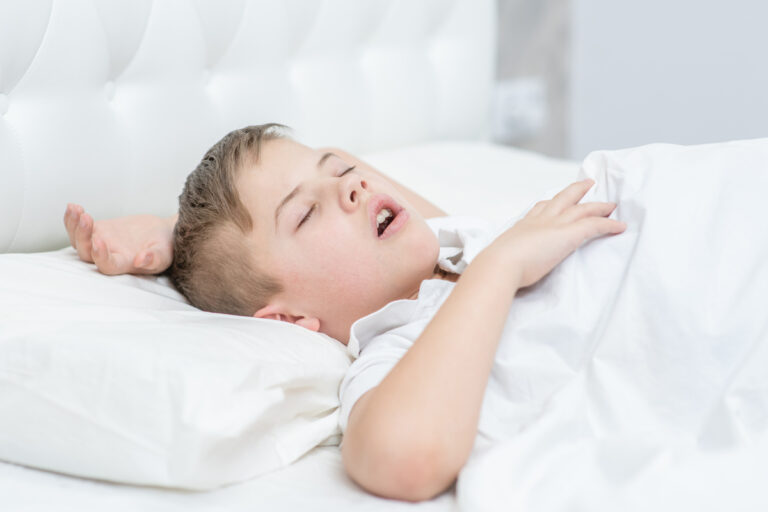
Parents should be concerned about snoring in children when it occurs regularly, is accompanied by pauses in breathing, or impacts daytime behavior and development. While occasional snoring during a cold may be normal, frequent or loud snoring can signal underlying airway issues requiring professional evaluation. Children who snore more than three nights per week, show signs of restless sleep, or experience behavioral changes during the day may need assessment for sleep-disordered breathing.
At Airway Dental and More, we help parents navigate these concerns with comprehensive airway evaluations designed specifically for children. Our approach goes beyond traditional dentistry to identify the root causes of snoring and sleep-disordered breathing. We recognize the challenge parents face in determining when snoring becomes a medical concern, and we provide the guidance and treatment needed to help your child breathe better and sleep more soundly.
Understanding Pediatric Snoring and Airway Health
Airway-focused dental care plays a crucial role in identifying and addressing sleep-related breathing disorders in children. This field of dentistry is vital as up to 15% of children suffer from some form of sleep-disordered breathing. Snoring occurs when air cannot move freely through the nose and throat during sleep, causing the surrounding tissues to vibrate. While adults often associate snoring with normal sleep, children’s snoring frequently indicates anatomical or developmental issues affecting their breathing.
Sleep-disordered breathing in children disrupts normal sleep patterns and oxygen levels, potentially affecting growth, cognitive development, and behavior. Children with untreated airway issues may struggle with concentration, exhibit hyperactivity, or experience delayed development. The condition impacts not only nighttime rest but also daytime functioning, academic performance, and overall quality of life.
Common Causes of Snoring in Children
Several anatomical and developmental factors contribute to pediatric snoring.
Enlarged Tonsils and Adenoids
Enlarged tonsils and adenoids often block the airway during sleep, creating the most common cause of obstructive sleep apnea in children. These tissues can significantly obstruct breathing when they grow larger than normal, restricting airflow through the throat.
Tongue Tie
Tongue tie (ankyloglossia) is another frequent culprit. This condition involves a tight band of tissue binding the tongue to the floor of the mouth, which affects breathing, oral development, and proper oral rest posture. When the tongue cannot rest in its ideal position against the roof of the mouth, it may fall back during sleep, partially blocking the airway.
High Arched Palate
A high arched palate, caused by improper tongue rest posture and function, narrows the nasal passages in both width and height. This developmental abnormality restricts airflow and potentially leads to breathing difficulties. Proper nasal breathing supplies the lungs with warm, moist, clean, and sanitized air, while chronic mouth breathing delivers cold, dirty, dry, and unsanitized air directly to the lungs.
Other Factors
Other contributing factors include thumb sucking, which can alter the shape of the oral cavity and jaw over time, and teeth grinding (bruxism), often signaling an underlying airway issue. A deviated septum may also restrict airflow through the nasal passages, leading to mouth breathing and snoring.
Warning Signs Parents Should Not Ignore
Recognizing concerning patterns helps parents determine when to seek professional evaluation. These warning signs indicate your child may need assessment for sleep-disordered breathing:
- Snoring three or more nights per week consistently
- Gasping, choking, or pauses in breathing during sleep
- Sleeping in unusual positions, such as with the neck hyperextended
- Excessive daytime sleepiness or difficulty waking in the morning
- Behavioral issues, including hyperactivity or difficulty concentrating
- Bedwetting in previously dry children
- Dark circles under the eyes
- Mouth breathing during the day and night
- Restless sleep with frequent tossing and turning
If you observe one or more of these symptoms in your child, a comprehensive airway evaluation can help determine whether intervention is necessary.
How Dental Professionals Assess Pediatric Airway Issues
Comprehensive airway evaluation involves examining the structures affecting breathing during sleep. We assess the size and position of the tonsils, adenoids, tongue, and palate. Advanced diagnostic tools, such as Cone Beam Computed Tomography scans, provide detailed insights into the airway’s anatomical structures, helping identify restrictions not visible during a standard examination.
Take-home sleep studies are available for children age 12 and older, allowing us to monitor your child’s breathing patterns, oxygen levels, and sleep quality in their natural environment. These diagnostics help determine the severity of sleep-disordered breathing and guide treatment recommendations. Facial development assessment examines how your child’s jaw and airway structures are growing, identifying potential issues before they become severe.
Taking Action for Your Child’s Health at Airway Dental and More
Early intervention offers the greatest benefit for children with sleep-disordered breathing. At Airway Dental and More in Jacksonville, we provide comprehensive evaluation and treatment for pediatric airway and sleep-related concerns. Dr. Neil K. Stevenson combines traditional dental care with airway-focused approaches, recognizing the essential connection between proper breathing, quality sleep, and overall wellness.
If you’ve noticed concerning snoring patterns or other signs of sleep-disordered breathing in your child, contact our team for a comprehensive evaluation. We help families throughout Jacksonville and beyond achieve better sleep and improved health through evidence-based airway care. Learn more about Dr. Stevenson’s approach to pediatric airway health and discover how proper breathing supports your child’s development and quality of life.